


Case Study: Revolutionizing Lithium Battery Recycling with a Compact and Efficient Skid-Mounted Solid-Liquid Separation System
How Customized Skid-Mounted Solutions Address Key Process Challenges While Reducing Costs and Footprint
At this year's Shanghai Water Technology Exhibition, we met a lithium battery recycling company facing critical Solid-Liquid Separation challenges. Their process involves treating highly acidic, high-temperature wastewater rich in salts and iron ions - a common scenario in industries such as mining, chemical engineering, and Renewable Energy. The initial technical discussions evolved into a groundbreaking solution that highlights the core advantages of our skid-mounted system: efficiency, compactness, and automation.
Challenge: Extreme Conditions, Precise Requirements
Customer's process requirements:
- Treat Acidic Wastewater saturated with salt (initial pH ≈ 1).
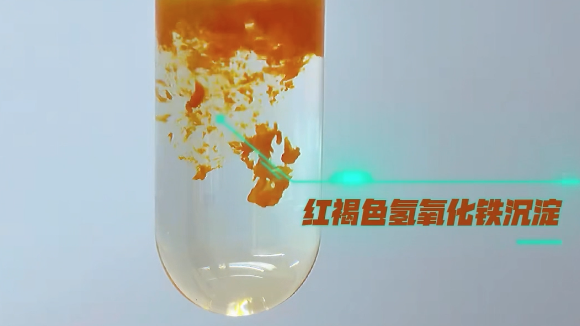
- The acidity is neutralized by adjusting the pH to 12 with liquid caustic soda, causing iron ions to precipitate in the form of solid iron hydroxide.
- Achieve efficient solid-liquid separation at 80°C while maintaining the airtightness of the system to prevent oxidation or contamination.
- Purify alkaline brine for reuse in subsequent processes, achieving resource recovery and minimizing waste generation.
Solution: Design a robust and compact skid-mounted equipment
To address these challenges, our team conducted rigorous coupon experiments to optimize chemical dosing and material compatibility. The final design includes:
- Material Selection: 2205 Duplex Stainless Steel was selected for its excellent resistance to chloride-induced stress corrosion, high-temperature stability, and durability in acidic/alkaline environments.
- Innovative Air-Tight Design : Our engineers have developed a professional separation treatment method to maintain excellent sealing performance under a pressure of 5 kPa, ensuring operational safety and process integrity.
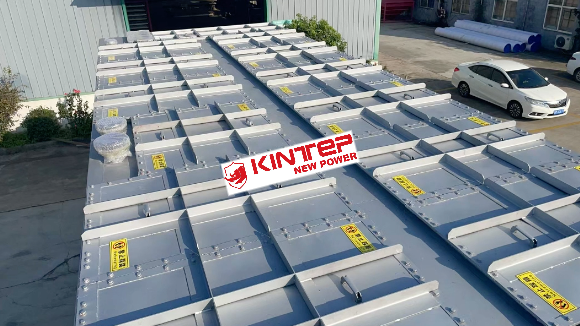
- Skid-mounted Integration: The entire system - including the high-efficiency sedimentation tank and ultra-high pressure plate and frame filter press - is integrated into a compact skid-mounted unit. This not only reduces the footprint, speeds up deployment, but also lowers civil engineering costs.

Key Results
- Sludge Reduction: Through optimizing sedimentation and filtration, the system has reduced sludge volume by over 60%, significantly lowering disposal costs.
- Reclaimed Water Reuse: The purified brine has met the Quality Standard for direct reuse in production, resulting in a 50% reduction in freshwater consumption.
- Automation: Fully automated operations reduce manual intervention, minimizing labor costs and human errors.
- Quick Deployment: After the delivery of prefabricated and assembled containerized skid-mounted equipment, the installation time has been reduced by 70%.
Similar Applications
This case demonstrates how customized skid-mounted solutions can address complex industrial wastewater issues while achieving sustainability and cost-saving goals. Similar applications include:
- Polymer/Plastic Production: Removal of emulsified oil and suspended solids.
- Mining and Metal Processing : Recover heavy metals and reduce sludge.
- PV/Chemical Manufacturing: Treat high-silica or acidic wastewater.

Why Our Solution Is Crucial for the Global Lithium Battery Recycling Industry
The demand for efficient and compliance-based solid-liquid separation technologies is driving the growth of the global lithium battery recycling market. The above PWI solutions directly align with this global trend.
Global Market Opportunities and Regulatory Challenges
- Enormous Market Potential: The global battery black powder recycling process market is expanding rapidly, with sales expected to reach $229 million by 2030, at a compound annual growth rate (CAGR) of as high as *18.5%. Meanwhile, the domestic market for power battery recycling is expected to exceed 100 billion yuan in scale by 2030.
- Strict Recycling Standards: Global markets, especially China, Europe, and North America, have increasingly stringent requirements for the environmental friendliness and efficiency of recycling processes. For example, China's national standards require the comprehensive collection rate of nickel, cobalt, and manganese to be no less than 98%, and the collection rate of lithium to be no less than 85%. Our system lays a solid foundation for achieving these key indicators through efficient solid-liquid separation.
- Core Challenges in Wastewater Treatment: The wastewater generated during the lithium battery recycling process has complex components, typically with strong acidity (pH≈1), high temperature (80°C), and rich in heavy metals and salts. If such wastewater is not properly treated, it will lead to heavy metal pollution and cause long-term harm to the environment. The pain point of the customers we met at the Shanghai WaterTec Exhibition before lies exactly here.

Addressing global industrial pain points with innovative technologies
The case provided by PWI for lithium battery recycling customers verifies the reliability of the system under the world's harsh and complex operating conditions. In the above case, for the operating conditions of strongly acidic (pH=1), high-temperature (80°C) saturated brine, through material selection (2205 duplex stainless steel) and innovative sealing design, the stable operation of the equipment under harsh conditions was ensured, achieving efficient precipitation and separation of iron ions and purification and reuse of alkaline brine.
The significance of this practice lies in:
- Ensuring Production Continuity : Stable solid-liquid separation is the prerequisite for ensuring the continuous and efficient operation of subsequent recovery processes such as hydrometallurgy or DC concentration technology.
- Reduce Overall Costs: The system directly addresses the increasing global pressure of wastewater disposal costs through sludge reduction (reducing disposal fees) and water resource reuse.
- Meeting Global Compliance Requirements: Assisting recycling enterprises in meeting the increasingly stringent environmental regulations of various countries, such as the European Union's Water Framework Directive or North American restrictions on pollutants like PFAS.
European Market:
Europe has strict environmental protection regulations and emission standards, with a particular emphasis on green technology and sustainable development. PWI's equipment and system solutions can significantly reduce sludge discharge and achieve water resource reuse, and can also help owners meet compliance requirements in industries with stringent wastewater treatment requirements, such as chemical, pharmaceutical, and high-end metal processing.
Asian market (excluding China) :
India: With rapid industrialization and urbanization, there have come severe water pollution and water shortage problems. The Indian government and enterprises are actively seeking water treatment solutions. Meanwhile, industries such as textiles, electroplating, and pharmaceuticals in India are also traditional high-water-consuming and high-pollution industries, and Kintep New Power's different product series and solutions can all meet the environmental compliance requirements of the corresponding industries.
South East Asia: Countries such as Vietnam, Indonesia, and Thailand are now experiencing rapid development in the manufacturing industry, with industries such as plastic production and electronics manufacturing clustering. These factories often face pressure from land shortages and cost control, and Kintep New Power's equipment and system solutions, which are mainly characterized by skid-mounted and small footprint, have obvious advantages.
Middle East and Africa Market:
Middle East: Water resources are extremely scarce, so there is a huge demand for seawater desalination and industrial wastewater reuse technologies. The high-efficiency sedimentation and pressure filtration systems designed and produced by PWI, a subsidiary of Kintep New Power, are highly prominent in terms of stability and reuse capabilities in the treatment of high-salinity and high-pH wastewater.
Africa: Some regions are actively developing local industries and improving infrastructure. In sectors such as mining and battery metal recycling (e.g., the Democratic Republic of the Congo), there is a clear demand for the treatment of wastewater containing heavy metals. Meanwhile, community-level water supply projects also require compact and efficient solutions.
Skid-mounted solutions empower global deployment
The advantages of containerized skid-mounted design are becoming increasingly prominent in the context of the global market:
Quick Response to the Market: Prefabricated skid-mounted systems can be rapidly deployed in major global markets, such as North America, Europe, and the fast-growing South East Asia region, helping recycling enterprises seize market opportunities.
Save non-China investment: Significantly reduce customers' civil construction costs and installation time, which is particularly important for regions with high land costs or underdeveloped infrastructure.
Seamless technical output:compact Skid-Mounted Solution is our passport to the global market, enabling us to deliver German-engineered, China-optimized technology to recycling plants anywhere in the world.
Are you interested in optimizing your wastewater treatment process?
Contact us to learn how our skid-mounted solutions can reduce your operating costs and environmental footprint.